
Key Takeaways
| Point | Details |
|---|---|
| Speed and cost drive 70% of analysis decisions | Emerging screenwriters pick methods primarily based on turnaround time and price. |
| Core structures include Field, McKee, and Snyder | These Hollywood frameworks underpin both AI and human screenplay analysis. |
| AI delivers affordable structural feedback fast | Turnaround in 1-2 days by email at $9-$25, ideal for early drafts and rapid iteration. |
| Human coverage provides deeper creative insight | Costs $60-$400, takes 7-14 days, best for polished scripts near submission. |
| Hybrid approach optimizes budget and quality | Use AI for initial structural fixes, then human review for final refinement. |
Selection Criteria for Script Analysis Techniques
When selecting a script analysis method, speed and cost dominate decisions for most emerging writers. Research shows that turnaround speed and cost are the top two decision factors for 70% of emerging screenwriters, reflecting budget constraints and tight festival deadlines. However, structural accuracy, feedback depth, and usability remain crucial for long term screenplay development.
Feasibility varies by draft stage and budget. Early drafts benefit from fast, low cost feedback enabling rapid iteration before investing in expensive human coverage. Polished scripts nearing submission require deeper human insight into character nuance and market viability that AI cannot yet replicate.
Pro Tip: Choose a method that matches your current draft needs and budget to optimize revisions and avoid costly rewrites later. If you're on draft one or two, affordable AI script analysis can quickly identify structural problems you can fix before paying for human notes.
Core Structural Methodologies in Script Analysis
Understanding the screenplay frameworks that analysts use helps you interpret feedback accurately. Both AI tools and human readers rely on established Hollywood structures to diagnose pacing, character arcs, and narrative cohesion.
Syd Field's three-act structure is cited by 90% of professional analysts for pacing diagnosis. This foundational model divides your script into setup, confrontation, and resolution, pinpointing where beats fall and whether acts balance properly. Robert McKee emphasizes story elements through defined beats like inciting incident, climax, and crisis, focusing on character transformation. Blake Snyder's Save the Cat framework adds genre specific pacing and emotional engagement, breaking scripts into 15 precise beats that festivals and producers recognize instantly.
Combining these methods enhances narrative cohesion and festival success. When you understand Field's act structure, McKee's character arcs, and Snyder's beat sheet simultaneously, you can cross reference AI and human feedback against multiple frameworks. This multilayered approach reveals structural gaps that single method analysis might miss, increasing your screenplay's competitive edge.
Grasping these underpinnings aids interpreting both AI and human feedback. You'll know why an analyst flags your midpoint or second act turn, and how to adjust pacing using core screenplay frameworks that Hollywood gatekeepers expect.
AI-Driven Script Analysis Techniques
AI platforms implement Hollywood structures to deliver rapid, affordable, automated screenplay feedback. These tools analyze structure, pacing, dialogue quality, market fit, and story clarity by parsing your script against Field, McKee, and Snyder models programmatically.
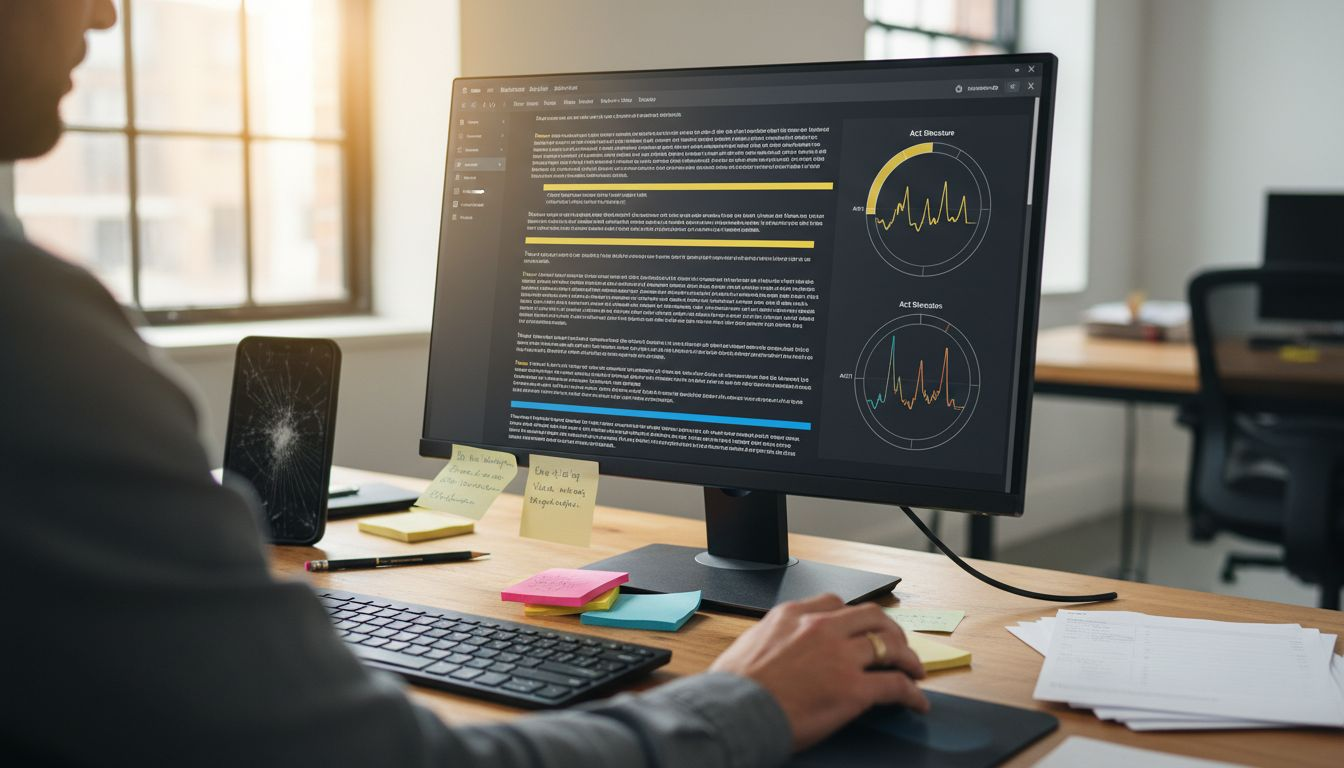
Typical turnaround is 1-2 days by email versus 7 to 14 days for human coverage. AI excels at identifying structural and pacing errors quickly, flagging misplaced plot points, unbalanced acts, and unclear character goals within hours. This speed enables multiple rewrite cycles in the time traditional coverage takes for one round.
AI is less adept at nuanced character voice and subtle thematic evaluation than humans. While it catches obvious dialogue issues and structural problems, it cannot yet assess creative originality or market viability with the instinct of an experienced reader. However, it serves as an ideal affordable pre filter before investing in human coverage.
Pro Tip: Use AI feedback to fix structural issues across multiple drafts before seeking pricier human notes. Run your first three drafts through AI driven script analysis services, address every flagged plot point and pacing problem, then submit to human coverage only when structure is solid. This strategy saves hundreds of dollars and ensures human readers focus on creativity instead of basic fixes.
Human Script Coverage and Script Doctors: Comparison
Human coverage and script doctors offer depth AI cannot replicate, but at significantly higher cost and longer turnaround. Understanding their strengths helps you decide when to invest beyond AI feedback.
Human coverage costs $60 to $400, takes 7 to 14 days, and delivers deep creative insight into character complexity, thematic resonance, and market positioning. Professional readers assess originality, voice, and emotional impact with industry experience AI lacks. Script doctors charge $500 to $1,500 for personalized rewriting, collaborating with you to overhaul structure, dialogue, and character arcs through iterative consultation.
AI costs $9 to $25, delivers reports within 48 hours, and excels at early structural checks. It identifies act imbalances, pacing problems, and clarity issues instantly but offers limited creative guidance. Human analysis shines for nuanced creativity and market viability once your structure is solid.
| Service Type | Cost Range | Turnaround | Best For | Creative Depth |
|---|---|---|---|---|
| AI Analysis | $9 - $25 | 1-2 days by email | Early drafts, structural fixes | Low to Medium |
| Human Coverage | $60 - $400 | 7-14 days | Polished scripts, market viability | High |
| Script Doctors | $500 - $1,500 | Varies | Major rewrites, creative collaboration | Very High |
Use AI for early drafts to catch structural errors cheaply. Turn to human coverage as scripts mature and near festival or pitch submission. Reserve script doctors for major creative rewrites requiring personalized collaboration. This tiered approach maximizes quality while controlling costs across your AI vs human coverage strengths and weaknesses evaluation.
Pricing, Accessibility, and Turnaround of Script Analysis Services
AI analysis reduces initial feedback costs by over 75% compared to traditional human coverage. Where professional readers charge $60 minimum, AI tools deliver comparable structural analysis starting at $9, democratizing access for writers worldwide.
Turnaround for AI is usually 1 to 2 days versus 7 to 14 days for human coverage. This speed advantage allows you to iterate three to four times in the period one human coverage cycle requires. Platforms like Roast My Script integrate automation tools for cost efficiency, processing scripts and delivering professional grade PDFs within 48 hours.
| Service | Average Cost | Typical Turnaround | Iterations Possible Per Month |
|---|---|---|---|
| AI Tools | $9 - $25 | 1-2 days | 10-15 |
| Human Coverage | $60 - $400 | 7-14 days | 2-4 |
| Script Doctors | $500 - $1,500 | Weeks to months | 1-2 |
Lower prices allow multiple draft iterations before expensive human coverage. You can run five AI analysis cycles for the cost of one mid tier human coverage report, catching and fixing structural problems early. Expanded affordability decreases risk and improves screenplay quality over time by enabling continuous feedback loops previously inaccessible to budget conscious writers.
This pricing shift makes affordable AI script analysis pricing and speed the new baseline for responsible screenplay development, reserving human investment for later stages when creative nuance matters most.
Service Differentiation and Best Use Cases
Your draft stage, budget, and goals dictate which script analysis method delivers the best return. Clear situational recommendations help you allocate resources efficiently.
AI works best for early drafts and budget conscious writers needing fast structural feedback. If you're on draft one through three, AI catches glaring plot holes, act imbalances, and pacing issues you can fix before paying humans. It also suits writers testing multiple concepts simultaneously who need quick validation without committing large budgets.
Human coverage is ideal for polished scripts near submission stages. Once your structure is solid and you've addressed AI flagged issues, human readers assess creative originality, character depth, and market positioning essential for festival acceptance or producer pitches. Their industry experience spots subtle problems AI misses.
Script doctors suit major rewrites requiring creative overhaul. If your premise works but execution fails, or if you need collaborative rewriting guidance, doctors provide hands on restructuring AI and coverage reports cannot deliver. Reserve this investment for scripts with proven concepts needing expert creative rescue.
A hybrid approach encourages using AI first, then human services if needed. This strategy minimizes waste by ensuring human readers focus on creativity instead of basic structural fixes. Affordable AI reduces risk by enabling early iterative improvements, transforming screenplay development from expensive guesswork into systematic, cost effective refinement.
Start every project with AI pre filter service to establish solid foundations before investing in premium human analysis.
Summary Comparison and Recommendations
Consolidating all attributes clarifies tradeoffs and empowers confident choices. The table below summarizes cost, turnaround, and depth across AI, human coverage, and script doctors.
| Factor | AI Analysis | Human Coverage | Script Doctors |
|---|---|---|---|
| Cost | $9 - $25 | $60 - $400 | $500 - $1,500 |
| Turnaround | 1-2 days by email | 7-14 days | Weeks to months |
| Structural Accuracy | High | High | Very High |
| Creative Depth | Low to Medium | High | Very High |
| Best Draft Stage | 1-3 | 4-6 | Any, for rewrites |
| Iterations Per Budget | Many | Few | Very Few |
Situational recommendations by draft stage clarify when to use each method. For drafts one through three, prioritize AI to fix structure cheaply and quickly. For drafts four through six approaching submission, invest in human coverage to assess creativity and market fit. For major rewrites at any stage, consider script doctors if budget allows and concept warrants rescue.
Hybrid usage maximizes value: AI first, human coverage or doctoring later for final drafts. This sequence ensures you pay premium rates only when your screenplay foundations are solid, avoiding expensive feedback on fixable structural problems. Encouraging affordable AI use as a standard early step for all screenwriters transforms industry best practices, making professional development accessible regardless of budget.
This strategic approach helps you plan script analysis efficiently and cost effectively, aligning method selection with draft maturity and financial resources.
Explore AI Script Analysis at Roast My Script
Roast My Script offers AI driven script coverage from $9 with turnaround within 48 hours, embodying the affordable, fast structural feedback this guide recommends. Upload your screenplay, pay once, and receive a professional PDF analyzing structure, pacing, dialogue, and market fit based on Field, McKee, and Save the Cat methodologies.
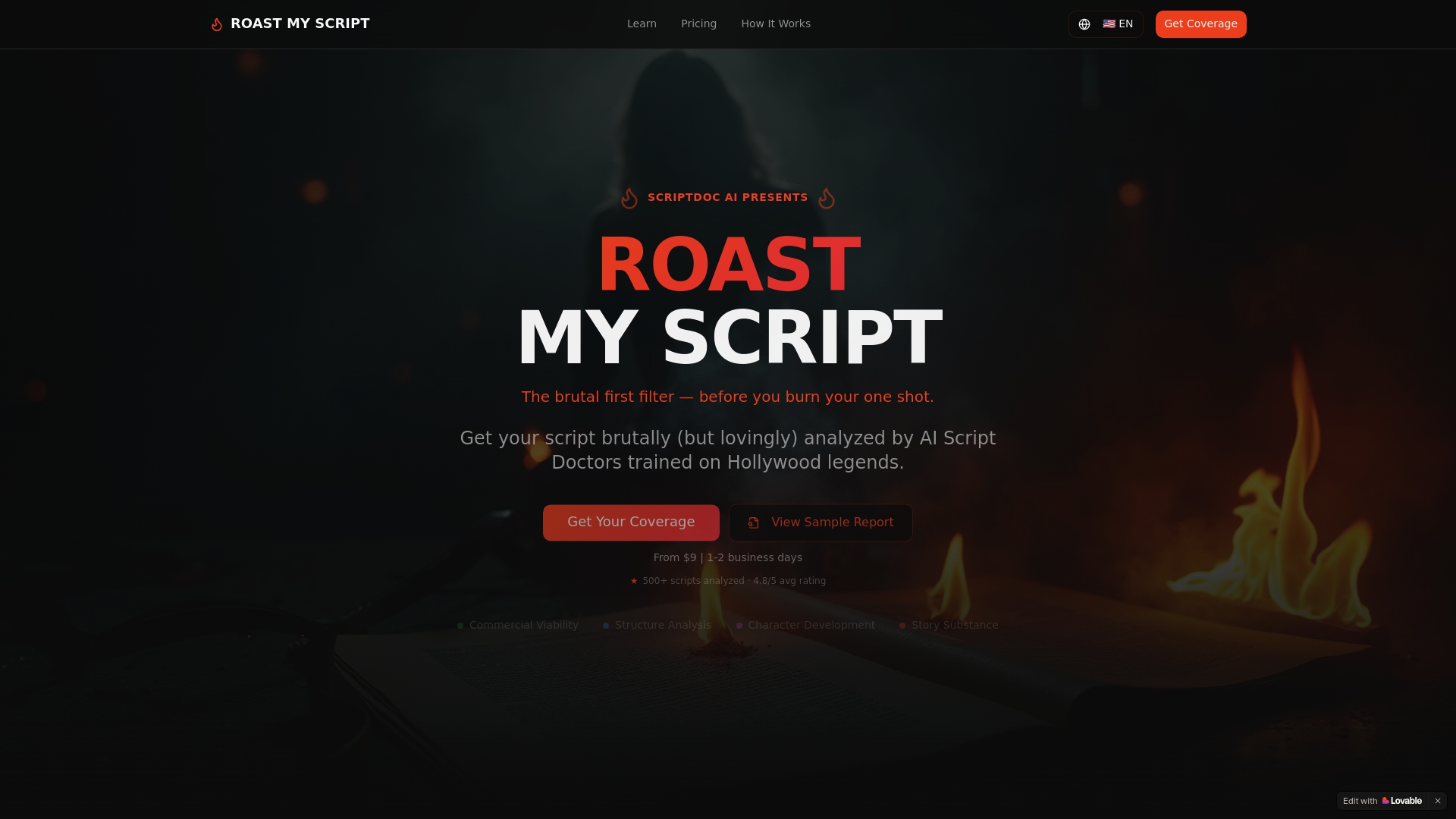
Use their platform to get fast structural feedback and multiple draft iterations affordably before investing in human coverage. Access character development resources on Roast My Script to complement AI feedback with craft education, building your screenplay skills while fixing structural issues. This integrated approach transforms your script development process into a systematic, cost effective path toward industry readiness.
Start with affordable AI script coverage at Roast My Script today to catch structural problems early and save hundreds on premature human coverage.
FAQ
What are the main benefits of AI driven script analysis?
AI is fast, affordable, and effective at identifying structural and pacing issues early in your writing process. It enables multiple rewrite cycles before costly human coverage, catching plot holes and act imbalances within 48 hours for under $25.
Can AI analysis replace human script doctors?
AI cannot fully replicate human nuance and creative rewrites required for major structural overhauls. It works best as a pre filter before human coverage, ensuring professionals focus on creativity instead of fixable structural problems you can address yourself.
How quickly can I get feedback using AI script analysis?
AI analysis typically returns feedback within 1-2 days by email, much faster than traditional methods requiring 7 to 14 days. This speed supports faster rewrite and iteration cycles, allowing you to improve your screenplay multiple times per month.
When should I use human script coverage over AI analysis?
Use human coverage when your script is polished and near submission to industry contacts or competitions. Human feedback covers nuance and market viability AI may miss, providing the creative depth essential for final refinement before pitching.
How much does AI script analysis cost compared to traditional coverage?
AI script analysis costs $9 to $25 per report versus $60 to $400 for human coverage, reducing initial feedback expenses by over 75%. This pricing difference allows budget conscious writers to iterate multiple times before investing in premium human services.